Media Studies blogs

Linda Jiang · Published 28 October 2026 at 17:17

the Photo Story

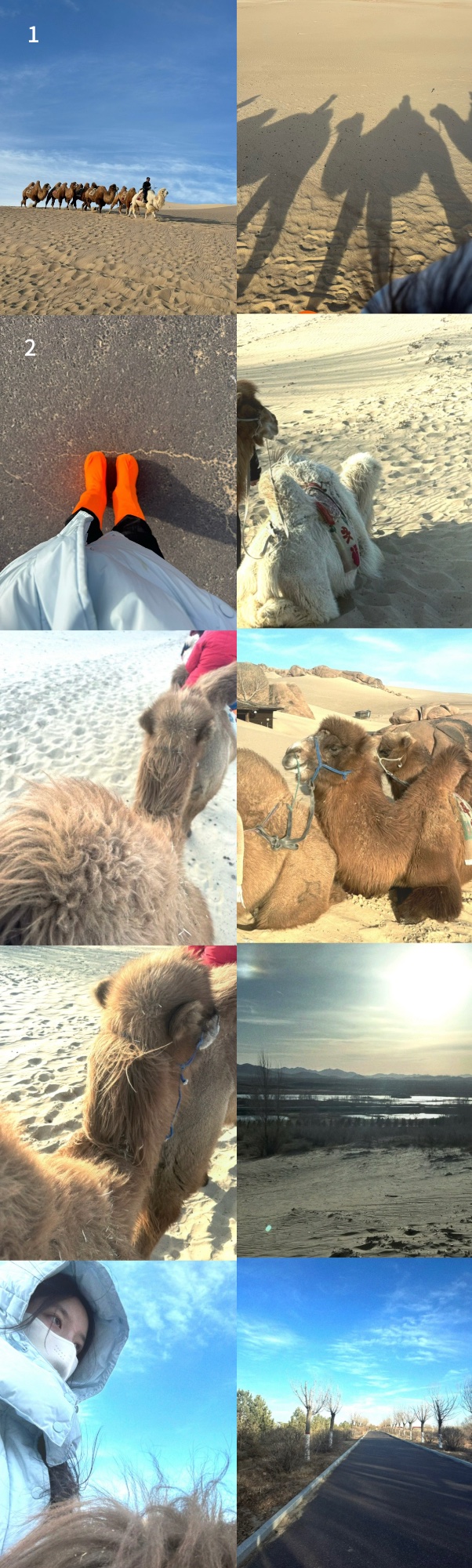
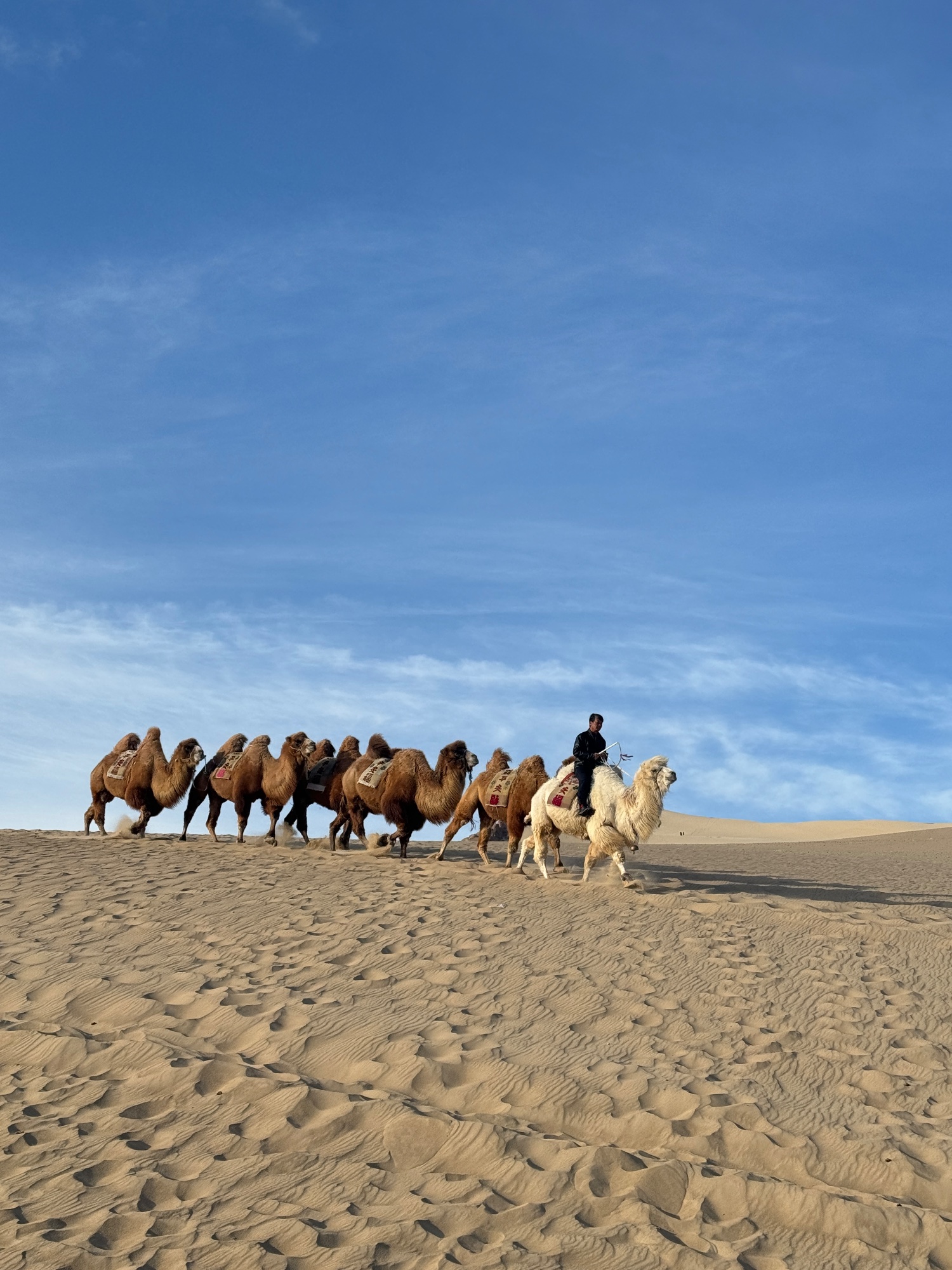
Establishing shot, wide depth of field. This shot sets the dry, open desert location. The camel train tells the audience this is a place for travel.
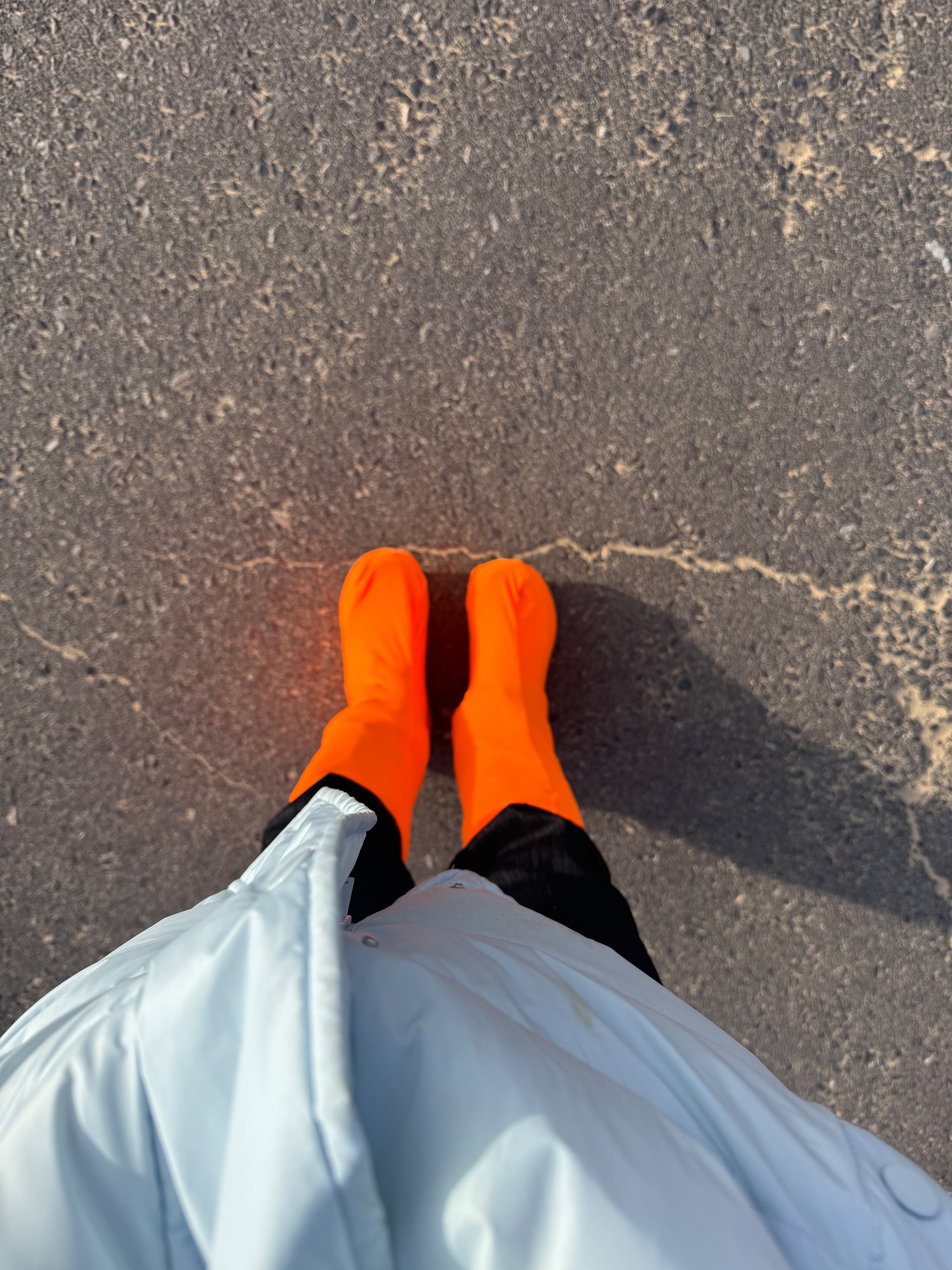
Object close-up, shallow depth of field. The bright orange shoe covers stand out. They hint I'm ready for sand.
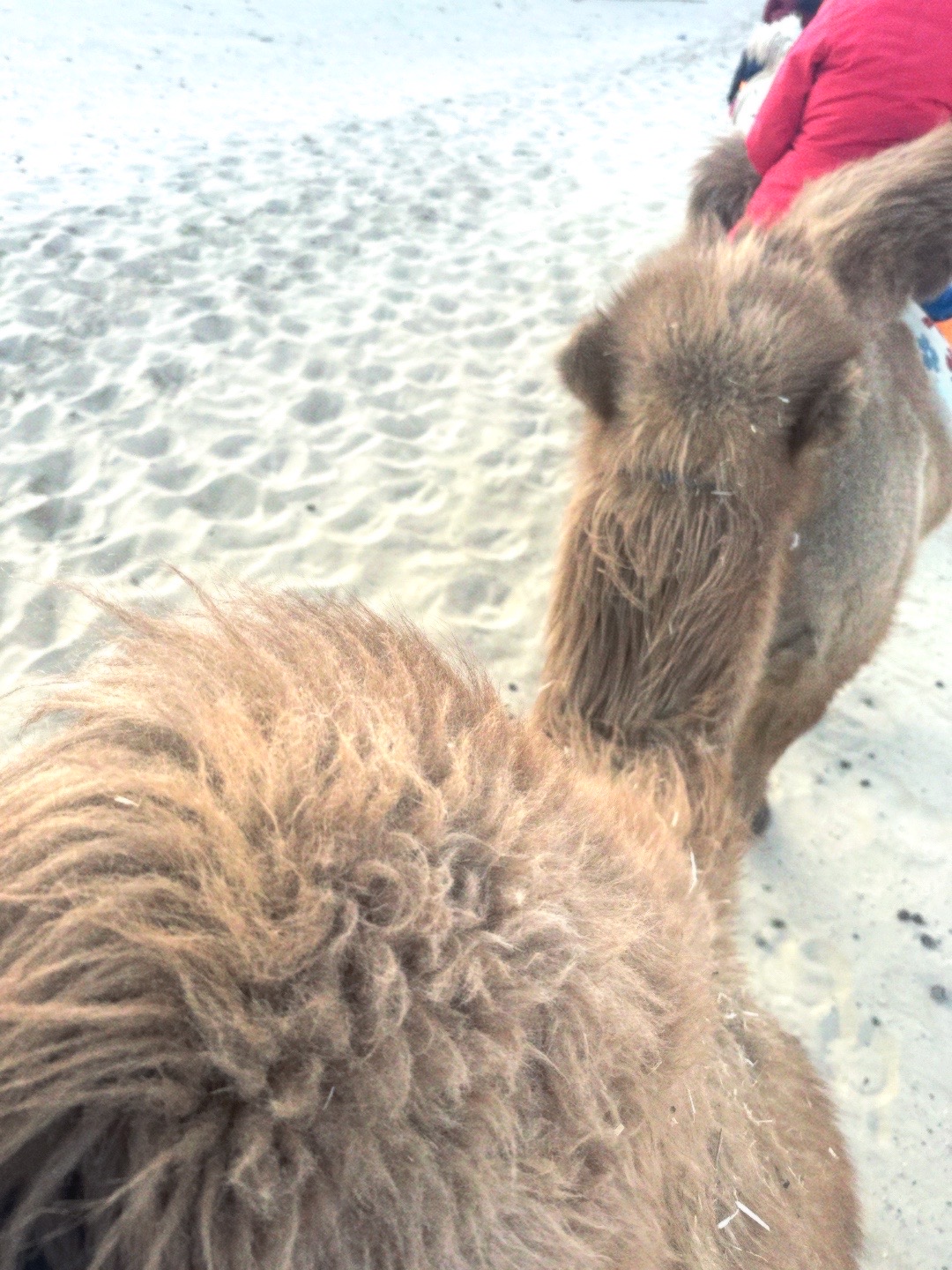
Point of view shot. Can see what I see from the camel. It pulls the audience into my journey.

Up angle. I sit on the camel and enjoy the slow trip in the desert.
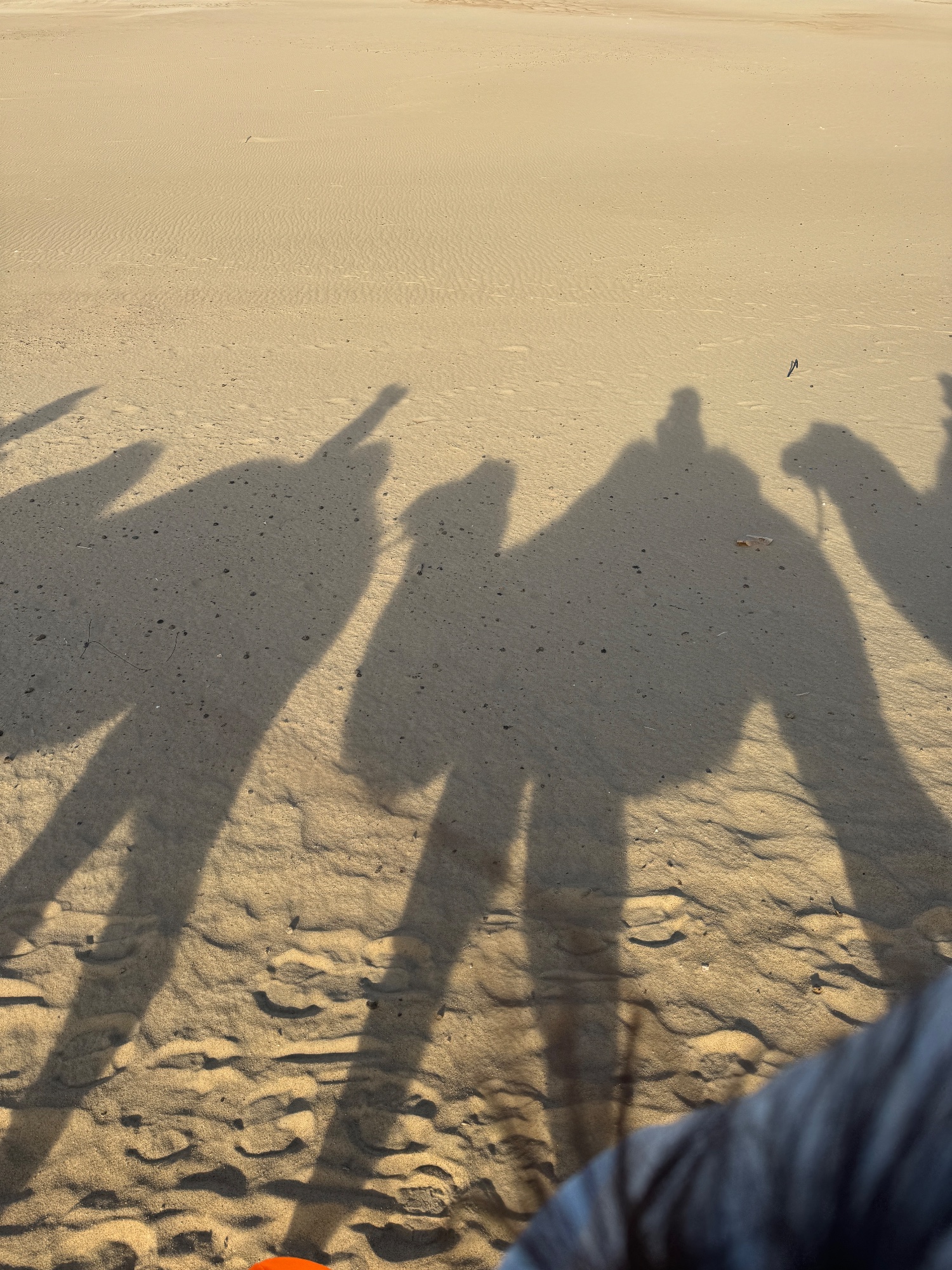
Shadow close-up, low angle. I photograph the camel shadows on the sand. The shadows show the movement of the caravan.
Wide shot with balanced composition. People get down from the camels. It marks the end of this camel ride.

Close-up shot, soft focus. This shot shows the camel’s thick fur. It builds the slow, calm feeling of the camel ride

Landscape shot. It shows the far view beyond the dunes and the beautiful scenery of the desert.
Leading line composition. The straight road stretches far away. It shows the wide world and the long journey ahead.

This exercise taught me how shot types and order can build mystery. I learned to use shots to let the audience share the character’s feeling. Close-ups can hide information and keep people guessing. I will use these camera choices in my main project to control what the viewer knows and feels.

Edited once, last 28 October 2026 at 17:18. Earlier version
Version saved 28 October 2026 at 17:18

the Photo Story

Establishing shot, wide depth of field. This shot sets the dry, open desert location. The camel train tells the audience this is a place for travel.

Object close-up, shallow depth of field. The bright orange shoe covers stand out. They hint I'm ready for sand.
Point of view shot. Can see what I see from the camel. It pulls the audience into my journey.

Up angle. I sit on the camel and enjoy the slow trip in the desert.
Shadow close-up, low angle. I photograph the camel shadows on the sand. The shadows show the movement of the caravan.
Wide shot with balanced composition. People get down from the camels. It marks the end of this camel ride.

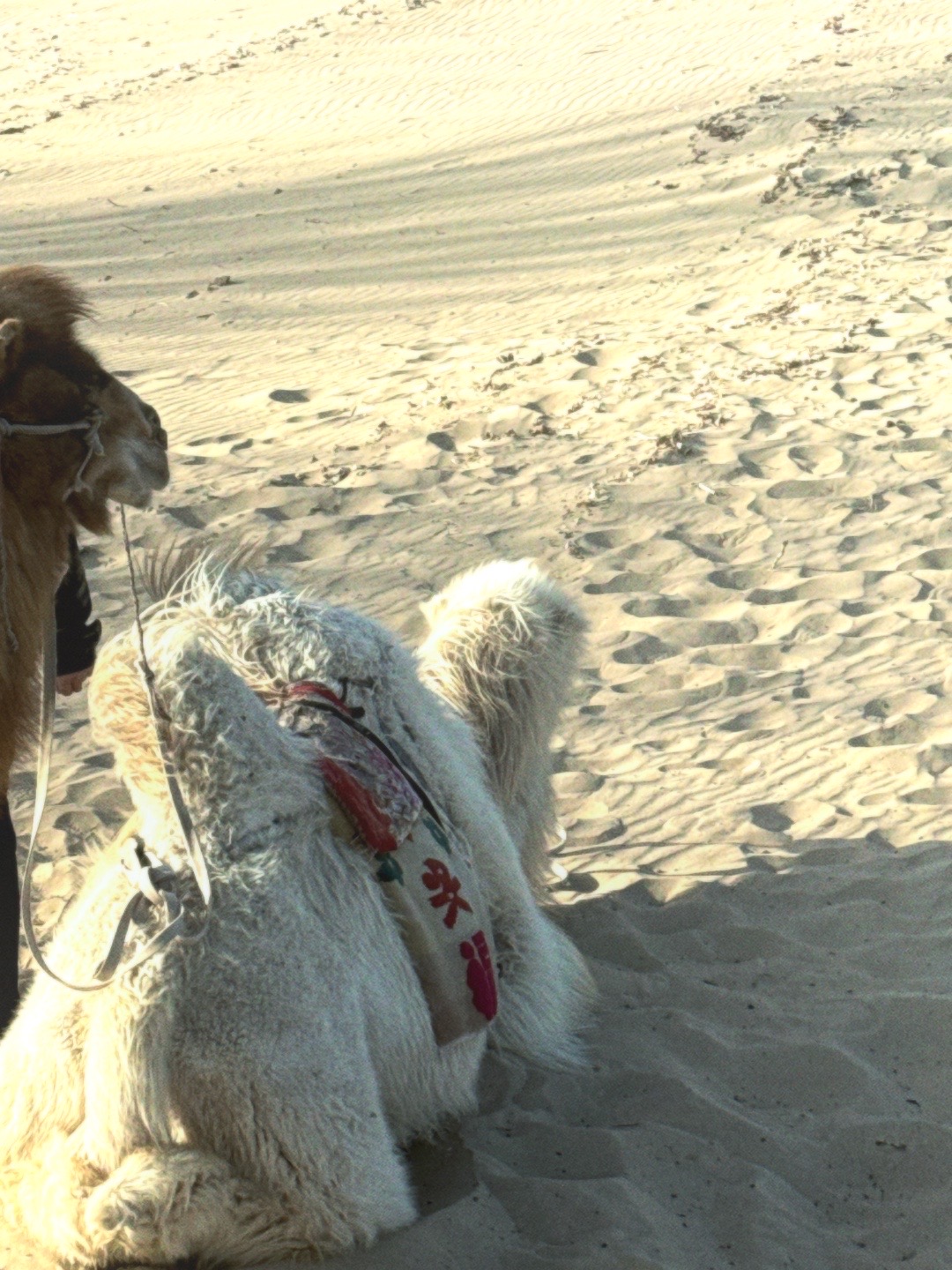
Close-up shot, soft focus. This shot shows the camel’s thick fur. It builds the slow, calm feeling of the camel ride
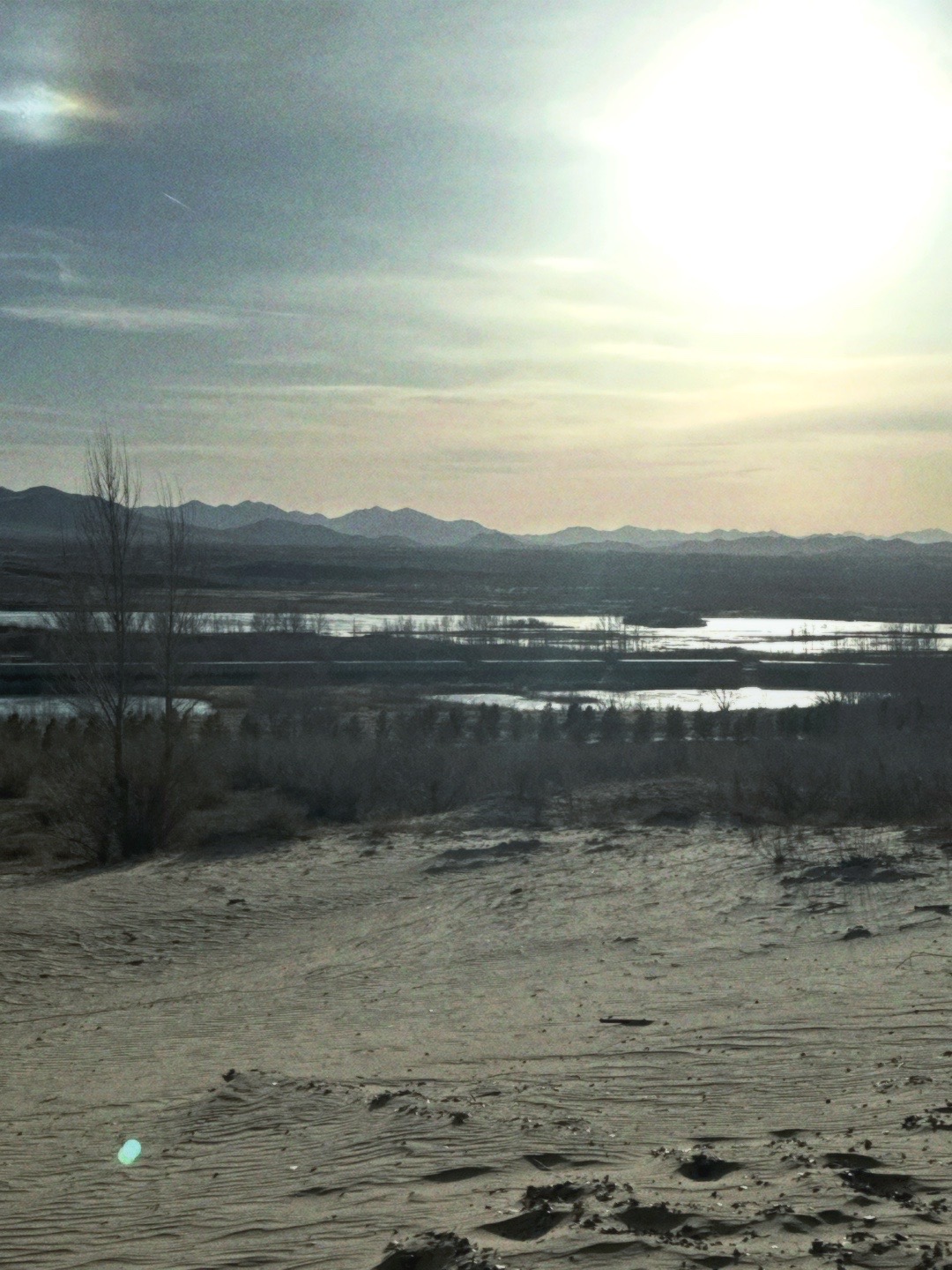
Landscape shot. It shows the far view beyond the dunes and the beautiful scenery of the desert.
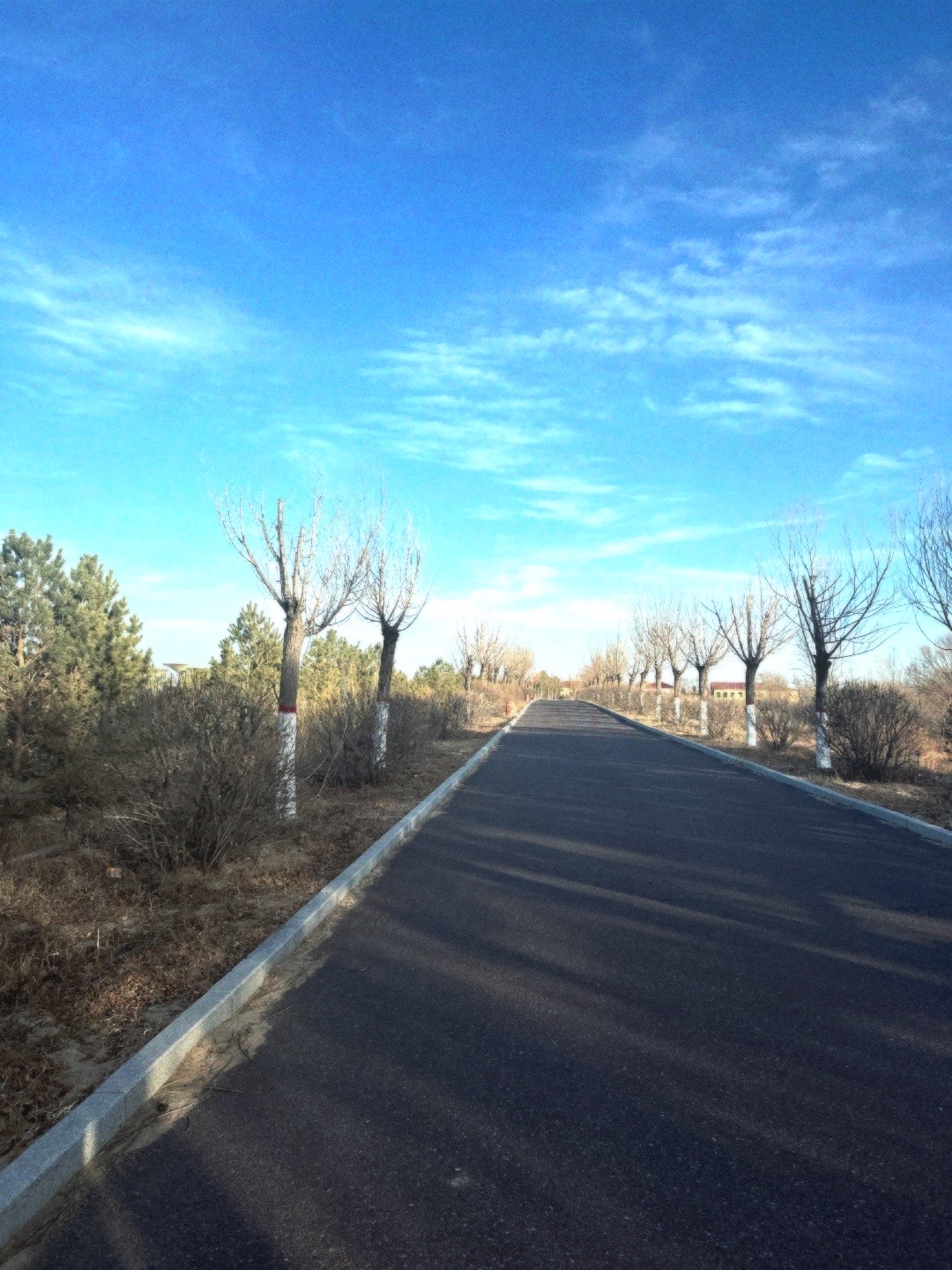
Leading line composition. The straight road stretches far away. It shows the wide world and the long journey ahead.

This exercise taught me how shot types and order can build mystery. I learned to use shots to let the audience share the character’s feeling. Close-ups can hide information and keep people guessing. I will use these camera choices in my main project to control what the viewer knows and feels.